HMRC Tax Rules Set for Major Changes
Millions of UK workers and taxpayers could face changes to the way they deal with HMRC over the coming years, with several reforms already announced for 2027 onwards.
The Government says the changes are designed to modernise the tax system and make payments and reporting more closely connected to when income is earned.
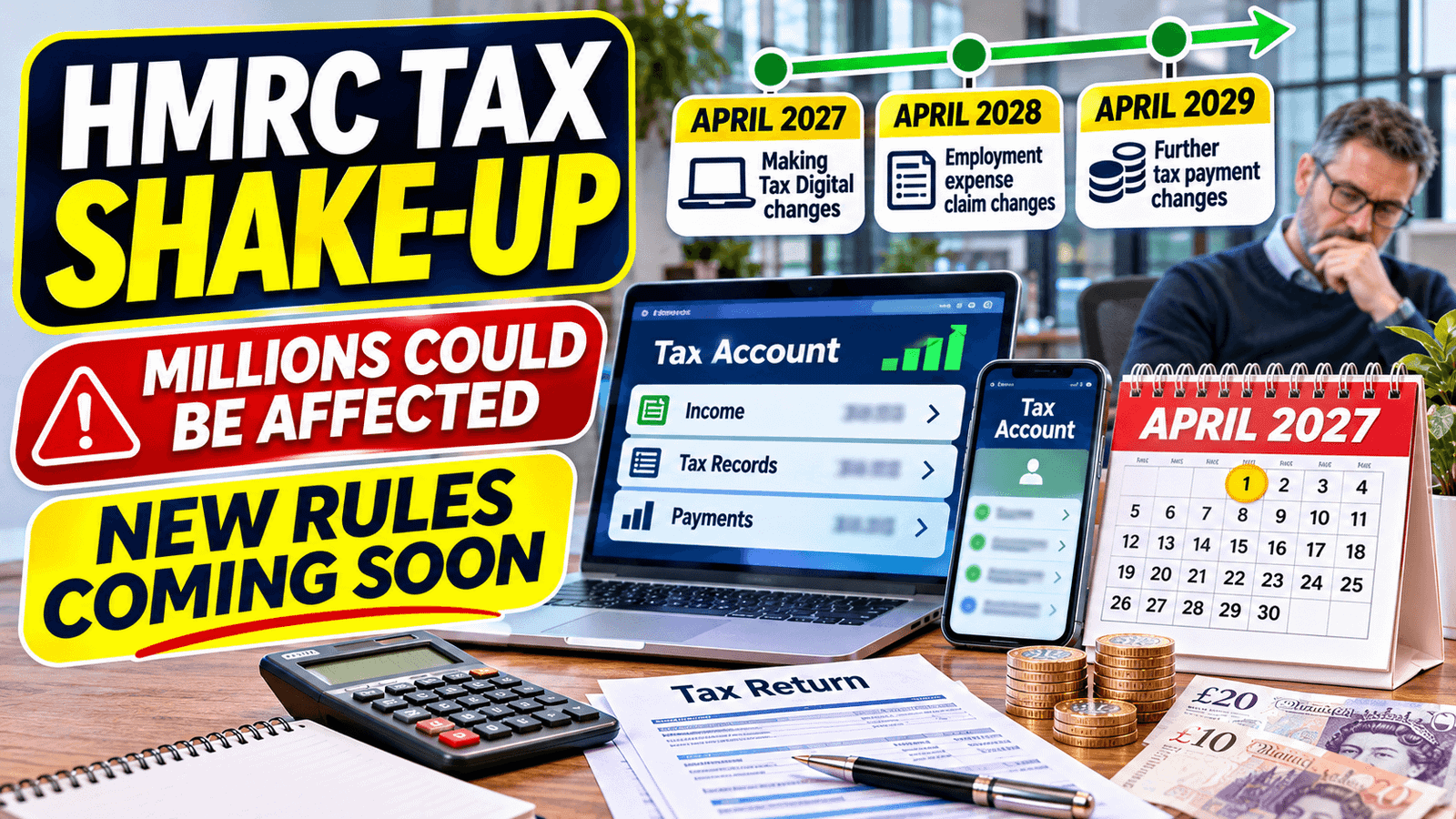
Making Tax Digital Expands
One of the biggest changes affects Making Tax Digital for Income Tax.
From April 2027, more sole traders and landlords will enter the system as the income threshold falls. However, the Government has also introduced a 12-month penalty easement for taxpayers joining MTD from April 2027.
This means eligible taxpayers will need to keep digital records and submit the required information, but new entrants will receive some protection from late-submission penalty points during their first year.
Savings Tax Rates Will Rise
Another change affects people earning interest from savings.
From April 2027, the basic rate on savings income will rise to 24%, while the higher rate will become 44% and the additional rate 49%. The changes apply across the UK.
This could be particularly relevant to workers and pensioners with significant savings outside tax-free accounts.
More Regular Tax Payments
The Government is also planning changes to Self Assessment payments.
From April 2029, taxpayers who already make payments on account will be required to make smaller and more regular payments during the tax year.
The aim is to bring tax payments closer to when income is actually earned and reduce the risk of large unexpected bills.
Employment Expense Claims Could Change
From April 2028, HMRC plans to remove the £2,500 Self Assessment threshold for employment expenses.
This is intended to allow more employees to claim tax relief on eligible unreimbursed employment expenses through PAYE instead of needing Self Assessment solely for that purpose.
What Workers Should Do
These changes do not mean every UK employee will suddenly face a new tax bill.
Most ordinary employees will continue paying Income Tax and National Insurance through PAYE as normal.
The biggest impact is likely to be on people with self-employed income, property income, savings interest or employment expenses.
Anyone affected should keep an eye on HMRC announcements and check which rules apply to their individual circumstances before the relevant deadlines.