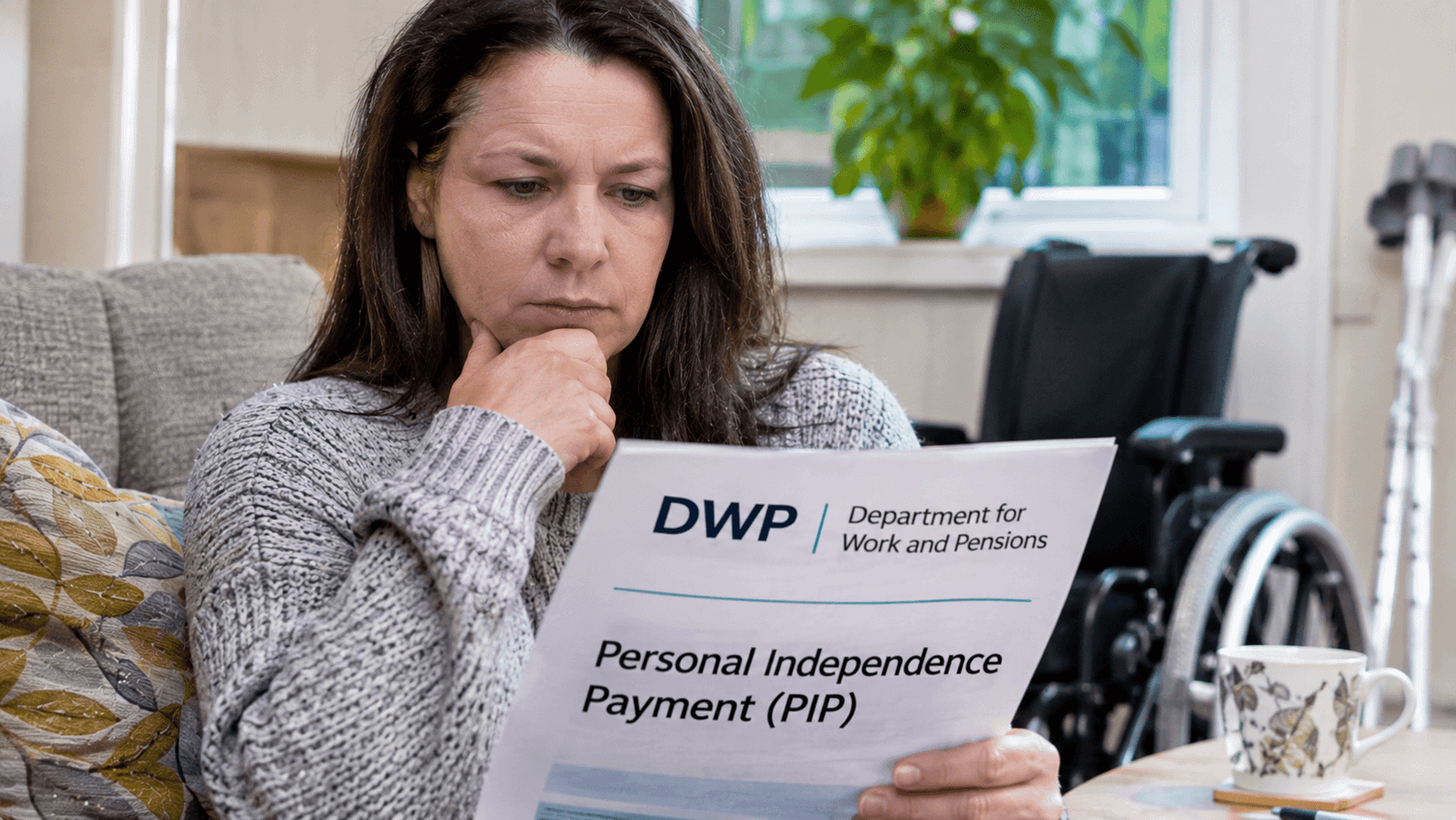
Thousands of people across the UK could be missing out on disability support because they do not realise their health condition may qualify them for Personal Independence Payment (PIP).
The Department for Work and Pensions (DWP) records a wide range of health conditions when assessing PIP claims. Official statistics published in 2026 identify 178 disability subgroups, covering a much broader range of conditions.
However, there is an important point claimants should understand: having one of these conditions does not automatically guarantee PIP. The decision depends on how the condition affects everyday activities and mobility.
What Does the DWP’s List Include?
According to the DWP’s PIP statistics to April 2026, there are 536 recorded disabling conditions, grouped into 178 disability subgroups and 21 broader disability categories.
These include conditions involving:
- Mental health: Anxiety disorders, depression and mood disorders.
- Musculoskeletal problems: Arthritis, back conditions and other joint or muscle disorders.
- Neurological conditions: Epilepsy, multiple sclerosis and other neurological diseases.
- Respiratory illnesses: Conditions affecting breathing and lung function.
- Cancer: Different forms of malignant disease.
- Sensory impairments: Hearing and visual disorders.
- Other health conditions: Cardiovascular, gastrointestinal, endocrine and genitourinary disorders.
This is a statistical classification of conditions recorded during assessments, not a list of diagnoses that automatically qualify someone for payments.
How Does the DWP Decide Who Gets PIP?
PIP is designed to help people with long-term physical or mental health conditions meet additional disability-related costs.
The assessment looks at 12 everyday activities, divided into two sections.
Daily living activities include:
- Preparing and cooking food.
- Eating and drinking.
- Washing and bathing.
- Dressing and undressing.
- Managing medication and treatment.
- Communicating and interacting with other people.
Mobility activities include:
- Planning and following journeys.
- Moving around.
Points are awarded according to the difficulties a person experiences and the assistance they need. Generally, eight points are required for the standard rate and 12 for the enhanced rate in each component.
Who Can Apply for PIP?
You generally need to be aged 16 or over, have a long-term health condition or disability, and expect your difficulties to last at least 12 months from when they started.
You normally need to be below State Pension age when making a new claim. People already receiving PIP may continue receiving it after reaching State Pension age, subject to the relevant rules.
PIP is not means-tested, so having savings or working does not automatically prevent someone from qualifying.
People living in Scotland should apply for Adult Disability Payment instead.
How Much Could You Receive?
PIP has two separate components: daily living and mobility. Each has a standard and enhanced rate.
Your total award depends on the points you receive in each section. You may qualify for one component or both.
The important thing is to explain how your condition affects you, rather than simply naming your diagnosis.
How to Check Your Eligibility
If your health condition makes everyday activities or getting around difficult, you can check the official GOV.UK PIP eligibility guidance.
Keep medical evidence, prescription information and details of any help you receive with daily activities.
The key message: The DWP’s 178 disability subgroups cover a wide range of health conditions, but there is no automatic qualifying list. Your actual difficulties, support needs and assessment points determine whether you can receive PIP.