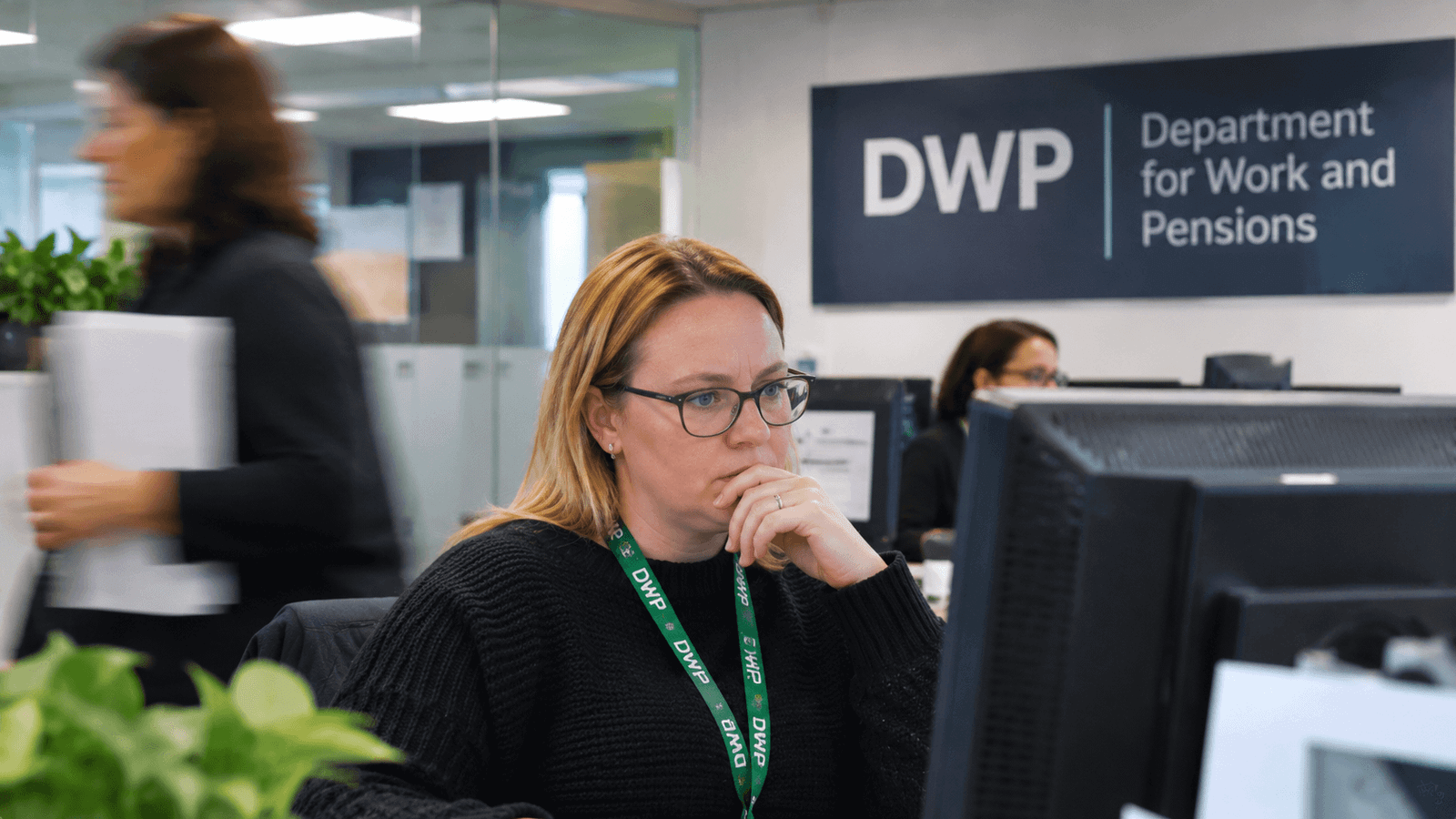
New figures have raised questions about sickness absence across the Department for Work and Pensions (DWP), after reports revealed that its employees took an average of 10 sick days per person last year.
The figure is more than twice the 3.8 days reported for private-sector workers in the comparison cited by The Telegraph. The figures have renewed debate about productivity, staff wellbeing and the cost of running government departments.
The findings are particularly notable because the DWP is responsible for administering benefits, supporting jobseekers and helping people return to employment.
How Many Sick Days Did DWP Employees Take?
According to figures obtained by The Telegraph through Freedom of Information requests, DWP employees averaged around 10 sickness days per person in the latest year covered.
The department also recorded almost 2.3 million sick days over three years.
Mental health conditions, including stress, anxiety and depression, accounted for almost 40% of DWP sickness absence, according to the report.
The figures have prompted criticism from some politicians, who have questioned whether high absence levels are affecting the efficiency of public services.
How Does This Compare With Private-Sector Workers?
The comparison reported by The Telegraph puts private-sector sickness absence at approximately 3.8 days per worker.
However, separate Office for National Statistics figures provide a slightly different picture.
The ONS reported that UK workers lost an average of 4.4 working days to sickness or injury in 2025. Its figures also showed a sickness absence rate of 2.9% in the public sector, compared with 1.7% in the private sector.
These figures use different measurement methods, so they should not be treated as a direct like-for-like comparison with the DWP figures.
Mental Health Is a Major Factor
Mental ill-health is a significant reason for sickness absence across government departments.
The latest Civil Service sickness absence report, published on 26 November 2026, found that civil servants lost an average of 8.5 working days per staff year during 2025/26.
Mental ill-health accounted for 48.6% of long-term sickness absence across the Civil Service.
This highlights the importance of considering workplace pressures and employee wellbeing alongside productivity concerns.
What Has the Government Said?
The Government has pointed to the latest ONS figures, saying Civil Service sickness absence rates are broadly in line with the private sector.
Departments also have policies and support arrangements designed to help employees remain at work and return following illness.
Why Does This Matter to Taxpayers?
The DWP handles millions of benefit claims and other essential services. Staff shortages and prolonged absences can create additional pressure on colleagues and potentially affect service delivery.
However, sickness figures alone do not prove that benefit claims are being delayed because of staff absence.
The key point: DWP employees reportedly averaged 10 sick days last year, while separate ONS figures show a lower sickness absence rate in the private sector. The figures raise questions about public-sector productivity, but differences in measurement and the role of mental health need to be considered before drawing conclusions.