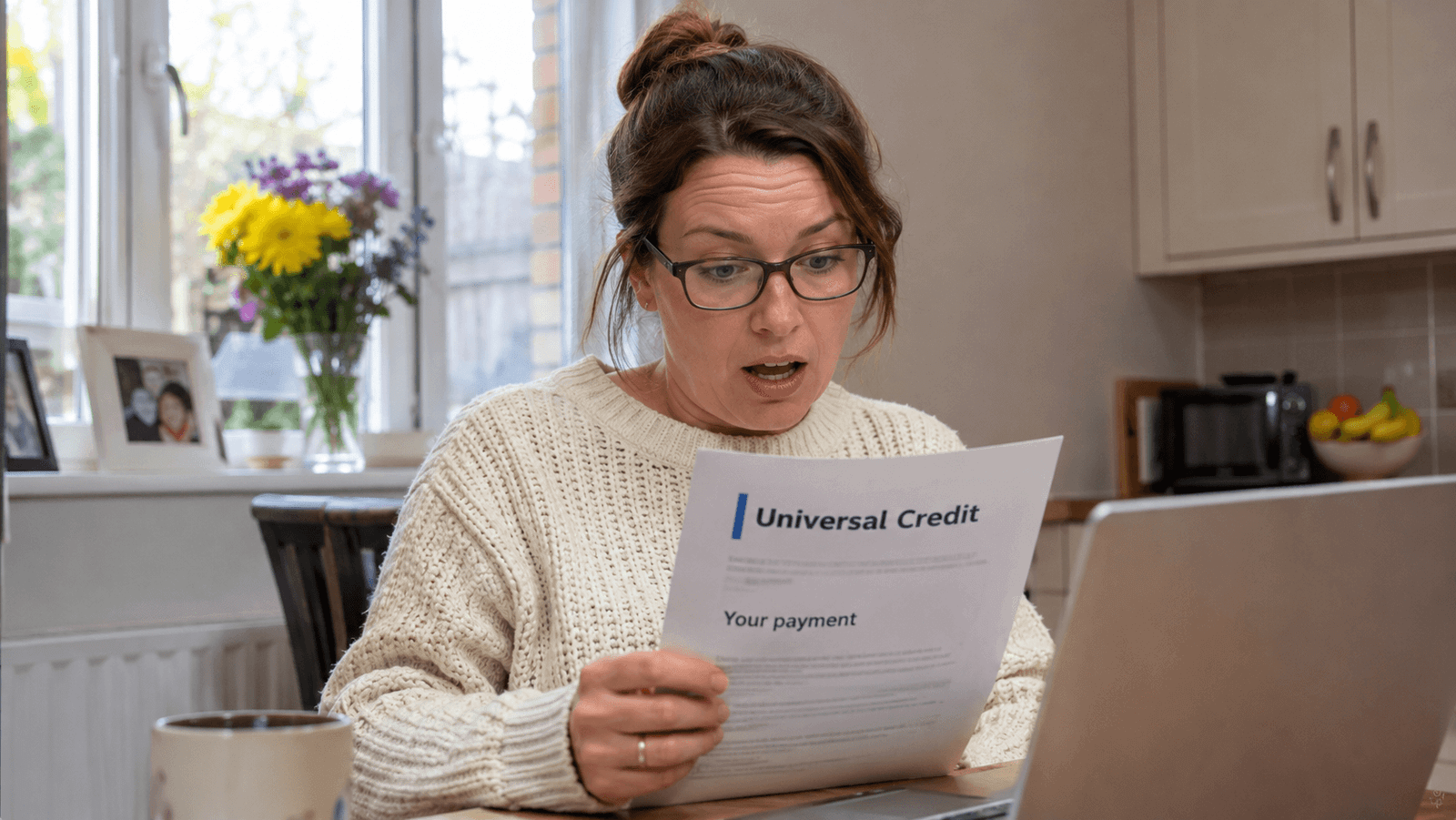
Millions of people claiming Universal Credit are set to receive higher monthly payments from April 2027, following the Government’s announcement of new benefit rates for the 2027/28 financial year.
The Department for Work and Pensions (DWP) has published the proposed figures, including increased standard allowances for single people and couples. The changes include an additional uplift to Universal Credit standard allowances under the Universal Credit Act 2025, on top of the inflation-linked increase.
For claimants, this could mean more money coming into their accounts each month. However, the amount received will still depend on individual circumstances.
New Universal Credit Rates From April 2027
The proposed monthly standard allowances for 2027/28 are:
| Claimant type | Current rate (2026/27) | New rate (2027/28) |
|---|---|---|
| Single under 25 | £338.58 | £353.87 |
| Single aged 25 or over | £424.90 | £443.21 |
| Couple, both under 25 | £528.34 | £551.11 |
| Couple, one or both aged 25 or over | £666.97 | £695.71 |
These new figures are expected to apply from April 2027. The biggest standard allowance applies to couples where at least one partner is aged 25 or over.
You Could Receive More With Extra Universal Credit Elements
The standard allowance is only the basic part of a Universal Credit award. Eligible claimants may receive additional amounts depending on their circumstances.
These can include:
- Housing element: Help towards eligible rent costs.
- Child element: Additional support for people responsible for children.
- Disabled child addition: Extra support for eligible households with a disabled child.
- Health-related support: Additional amounts for people who meet the relevant work capability conditions.
- Carer element: Extra support for eligible people providing regular care.
The final amount depends on which elements apply and whether deductions are made.
Will Everyone Receive the Same Increase?
No. Universal Credit is calculated individually, so two people on the same standard allowance may receive different total payments.
Your earnings, savings, housing circumstances and other income can affect your award. If you work, your Universal Credit may be reduced as your earnings increase. Other deductions, including repayments and benefit-related adjustments, can also affect the amount paid.
The announced standard allowance figures should therefore not be treated as guaranteed total monthly payments.
What Should Claimants Do Now?
There is no need to make a new Universal Credit claim simply because the annual rates are changing. Eligible existing claimants should have their payments adjusted under the new rates.
Keep your Universal Credit account updated if your income, household circumstances or rent changes. You can also use the official GOV.UK Universal Credit calculator guidance to understand how your award is worked out.
The key point: Universal Credit standard allowances are set to rise from April 2027, with a single claimant aged 25 or over moving from £424.90 to £443.21 a month. Your actual payment could be higher or lower depending on the extra support you qualify for and any deductions.